
SOUTHERN AFRICA — The Pan-African Council is advancing a major social-impact initiative in partnership with Spectacle Boutique of South Africa to provide 10,000 pairs of prescription spectacles to underprivileged and underserved people across the Southern African Development Community (SADC) region.
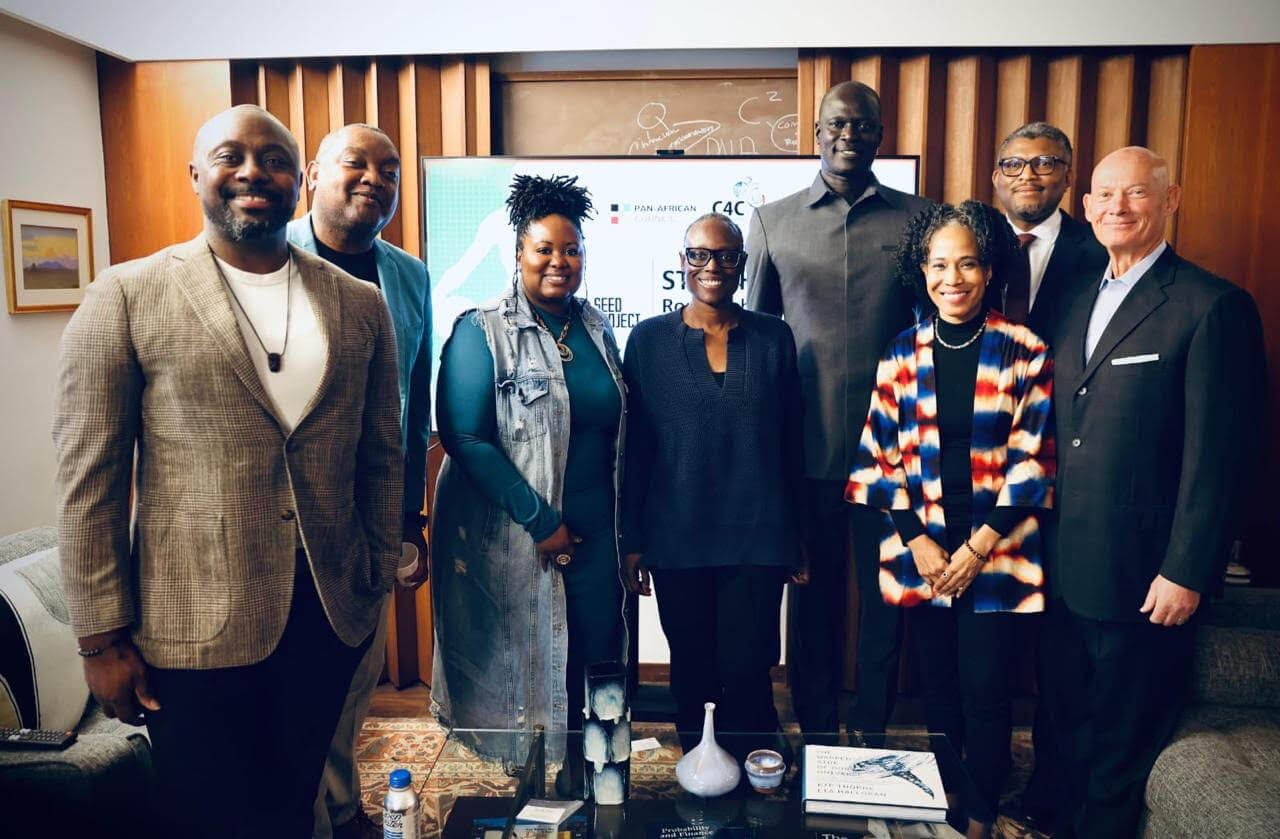
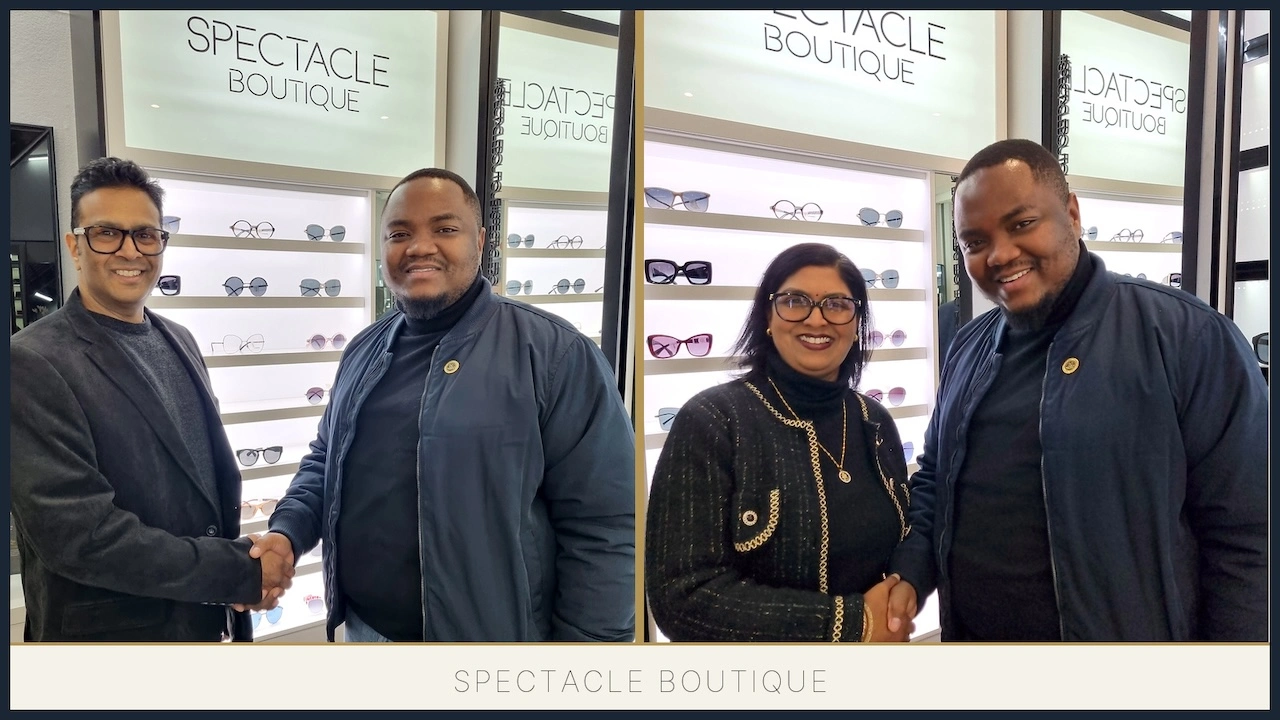
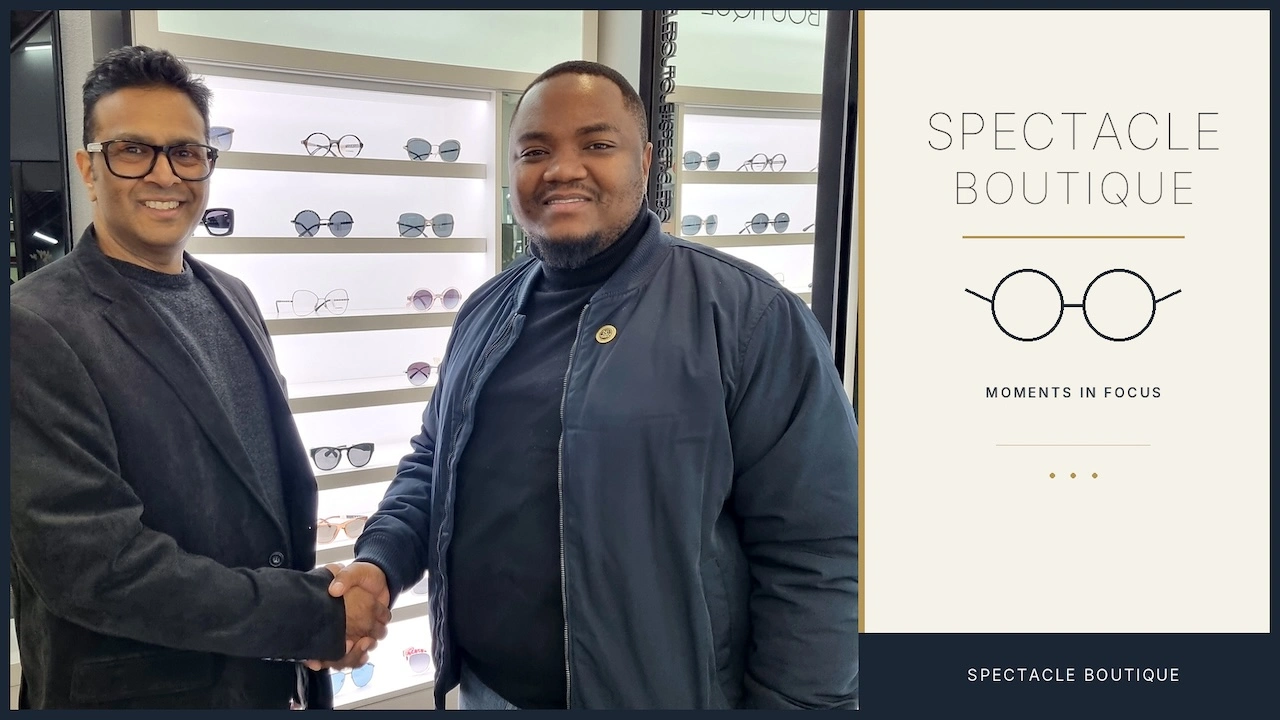
The initiative is being driven by the Council's Special Representative to Southern Africa, Mr. Monde Mshudulu, in collaboration with Sharganie Pather, an optometrist and owner of Spectacle Boutique, and Naveen Pather, co-owner of the practice.
Through the partnership, people who would ordinarily be unable to afford or access professional eye care will receive a complete vision-care package comprising an eye test, a frame and individually prescribed lenses. By combining clinical assessment with prescription eyewear, the initiative is intended to provide beneficiaries with an appropriate, practical and lasting improvement in their vision.
The programme forms part of the Pan-African Council's social-impact pillar and its wider commitment to building partnerships that improve quality of life, strengthen communities and expand access to essential services across Africa.
Clear Vision as a Foundation for Opportunity
Good vision is fundamental to learning, employment, mobility and independent living. Yet access to basic eye examinations and prescription spectacles remains beyond the reach of millions of people, particularly those in low-income and underserved communities.
According to the World Health Organization, at least 2.2 billion people globally have a near- or distance-vision impairment. For at least one billion of them, the impairment could have been prevented or remains unaddressed. The WHO also estimates that two out of every three people in low-income countries who need eyeglasses do not have access to them.
For children, uncorrected vision can make it difficult to read books, see a classroom board, follow written instructions or complete assignments. These barriers may be mistaken for poor concentration or limited academic ability when the underlying problem is simply that a child cannot see clearly.
Evidence demonstrates the educational value of correcting poor vision. A cluster-randomized clinical trial involving 2,613 pupils in 31 rural primary schools found that children who received earlier access to vision services and free eyeglasses achieved significantly better mathematics results. The measured improvement was equivalent to approximately half a semester of additional learning.
Among adults, poor vision can affect the ability to read, drive, operate equipment, use digital devices, navigate public spaces and perform everyday work safely and efficiently. The WHO estimates that vision impairment contributes to approximately US$411 billion in lost productivity globally each year.
These figures demonstrate that spectacles are more than a personal accessory. For someone living with an uncorrected refractive error, they can be an essential tool for education, employment, safety and participation in community life.
A Complete and Dignified Care Package
A defining feature of the partnership is its focus on complete, professionally guided care. Rather than distributing generic eyewear, every beneficiary will receive:
- A professional eye test;
- A suitable spectacle frame; and
- Prescription lenses prepared according to the individual's vision needs.
This approach will help ensure that each pair of spectacles is clinically appropriate and capable of making a meaningful difference in the recipient's daily life.
The target of 10,000 pairs represents the potential to support thousands of learners, workers, older people and families throughout the SADC region. It also reflects the value of partnerships that bring together institutional reach, regional leadership and specialist healthcare expertise.
Partnership for Practical Social Impact
Mr. Monde Mshudulu's leadership in driving the initiative demonstrates the important role of the Council's regional representatives in identifying needs, building trusted local relationships and translating Pan-African cooperation into practical community outcomes.
Spectacle Boutique brings professional optometric expertise and a commitment to accessible eye care. Sharganie Pather and Naveen Pather's participation provides the initiative with an experienced South African partner capable of supporting its vision-care objectives.
Together, the Pan-African Council and Spectacle Boutique are working to remove one of the most correctable barriers to learning, productivity and independent living. Their shared objective is clear: to give people who have been excluded from essential eye care the opportunity to see more clearly and participate more fully in education, work and community life.
Through this initiative, 10,000 pairs of spectacles can become 10,000 opportunities—to read, learn, work, move with confidence and envision a brighter future.